
Warning Traffic Signs
Featured Products
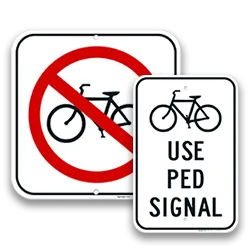


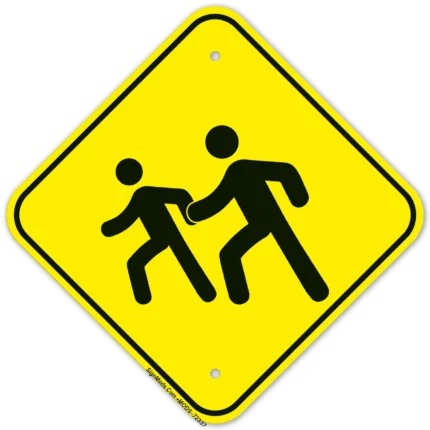
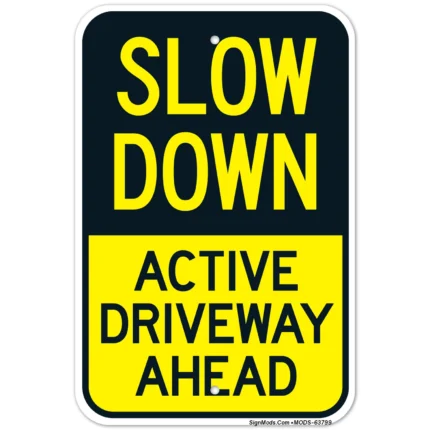

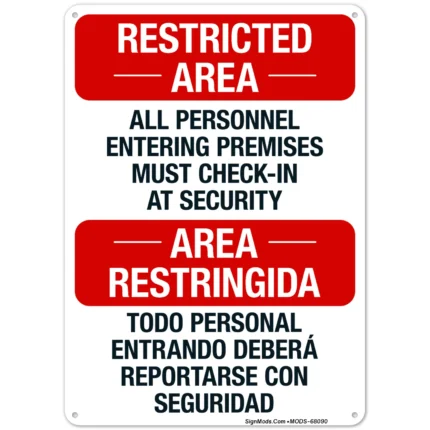
About Our Warning Traffic Signs
Effective traffic management relies on clear communication to alert drivers and pedestrians of potential hazards before they become dangerous. Our comprehensive selection of warning signs is designed to enhance security in critical areas, ranging from active construction zones and industrial sites to private parking lots and intersections. By deploying these distinct visual cues, property managers and municipalities can significantly reduce accident risks while maintaining compliance with essential road safety protocols. Whether you need to signal a sharp turn, a merging lane, or a pedestrian crossing, these indicators provide the immediate awareness necessary for a secure environment.
- High-intensity reflective surfaces ensure maximum visibility in low-light and nighttime conditions.
- Durable, weather-resistant materials withstand rain, UV rays, and extreme temperatures for long-term use.
- Universal graphics and bold text allow for instant recognition and faster driver reaction times.
- Pre-drilled holes and versatile designs facilitate quick installation on standard posts, walls, or fences.
The Critical Role of Warning Traffic Signs in Modern Safety
Warning traffic signs are the silent guardians of our roads, private properties, and worksites. Their primary function is not merely to inform but to command attention and prompt a change in driver or pedestrian behavior to mitigate potential hazards. A well-placed Warning Sign communicates a specific risk ahead—be it a sharp curve, a slippery surface, or an unexpected pedestrian crossing—giving individuals the crucial time needed to react safely. This proactive communication is the cornerstone of preventative safety, drastically reducing the likelihood of accidents before they happen.
The Psychology of a Warning Sign: Shape, Color, and Symbolism
The effectiveness of a warning sign hinges on its ability to be understood in a fraction of a second. This is achieved through a standardized visual language rooted in psychology. The diamond shape is universally reserved for warnings, immediately signaling "caution" to an approaching driver. The color palette is equally deliberate:
- Yellow: The traditional color for general warnings, such as a Slippery When Wet Sign or a signal ahead notice. Its high contrast against most backgrounds ensures it stands out during daylight hours.
- Fluorescent Yellow-Green (FYG): Reserved for high-emphasis warnings related to pedestrians, bicycles, and school zones. This vibrant color is exceptionally conspicuous, especially during dawn and dusk, drawing extra attention to areas with vulnerable road users.
- Orange: Exclusively used for temporary traffic control zones, such as construction and maintenance areas. This color alerts drivers to expect unusual conditions, lane shifts, and workers on or near the roadway. Our full line of Construction Signs utilizes this high-impact color.
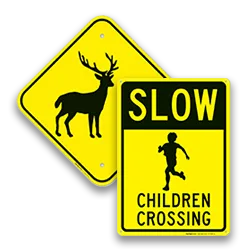
Combined with simple, clear symbols—like the iconic image on a Deer Crossing Sign—this system transcends language barriers, ensuring that the message is received and processed instantly. The consistent use of these elements trains drivers to associate specific shapes and colors with the need for heightened awareness, making the road a more predictable and safer environment for everyone. Understanding these design principles is the first step, but ensuring they meet official regulations is what makes them legally and functionally effective.
Decoding MUTCD Standards for Warning Signs
For a warning sign to be effective and legally sound in the United States, it must adhere to the rigorous standards set forth by the Federal Highway Administration's Manual on Uniform Traffic Control Devices (MUTCD). This manual is the national standard for all traffic control devices, ensuring that signs are consistent and understandable from one state to the next. Following MUTCD guidelines isn't just a best practice; it's a legal requirement for public roads and is widely adopted as the safety standard for private properties accessible to the public.
Key Requirements for Compliance: Size, Legend, and Placement
The MUTCD provides detailed specifications for every aspect of a warning sign's design and deployment. Three of the most critical components are size, legend, and placement. Non-compliance in any of these areas can render a sign ineffective and create a liability risk.
- Size: The required size of a sign is directly related to the type of road and the posted speed limit. A small sign that is perfectly adequate for a 25 MPH residential street would be dangerously invisible on a 65 MPH highway. The
MUTCDspecifies minimum dimensions to ensure a driver has enough time to see, read, and react to the sign's message. - Legend and Symbols: The text (legend) and symbols used on warning signs must be from the approved list. The fonts are specifically designed for high legibility at a distance, and symbols are standardized for immediate recognition. Custom wording or unapproved graphics can cause confusion and delay driver reaction time.
- Placement: Proper placement involves both height and lateral position. Signs must be mounted at a specific height—typically 5 feet in rural areas and 7 feet in urban or pedestrian areas—to be visible over other vehicles and obstacles. They must also be placed at a consistent distance from the edge of the roadway to be within the driver's primary cone of vision.
Expert Recommendation: Always consult the latest version of the
MUTCDand any state or local supplements before purchasing and installing Warning Signs. Failure to comply can not only lead to fines but may also be cited as a contributing factor in an accident, exposing your organization to significant legal and financial risk.
Case Study: Municipal Compliance Overhaul Reduces Accidents by 15%
A mid-sized suburban city was facing a statistically high rate of single-vehicle accidents at sharp curves and intersections. An independent safety audit revealed that a significant portion of their existing warning signs were decades old, faded, and non-compliant with current MUTCD standards for size and reflectivity. The city council approved a budget for a comprehensive replacement program. They systematically replaced over 500 outdated signs with new, compliant signs featuring High Intensity Prismatic sheeting. Over the next 18 months, the city tracked accident data and recorded a 15% reduction in incidents at the upgraded locations, directly attributing the improvement to the enhanced visibility and compliance of the new signage. This project demonstrated a clear return on investment, not in dollars, but in lives saved and injuries prevented. While compliance provides the blueprint for safety, the physical materials used to construct the sign are what deliver performance day and night.
The Science of High Visibility: Materials and Reflectivity
The true measure of a warning sign's effectiveness is its performance in the dark and during adverse weather. This is where the science of retroreflectivity comes into play. Retroreflective materials don't just reflect light; they capture it from a source like a vehicle's headlights and return it directly back to the driver's eyes. This makes the sign appear to glow, ensuring its message is seen from hundreds of feet away. The quality and grade of the reflective sheeting are the most important factors in determining a sign's nighttime visibility and overall lifespan.
A Breakdown of Reflective Sheeting Grades
Choosing the correct reflective sheeting is a critical decision based on road speed, ambient lighting, and the importance of the sign's message. There are three primary grades commonly used for traffic signs, each offering different levels of performance and durability.
| Sheeting Grade | Description | Best Use Cases | Typical Lifespan |
|---|---|---|---|
| Engineer Grade (ASTM Type I) | Uses glass bead technology. The most basic and economical option. | Low-speed roads (<30 MPH), parking lots, non-critical signs. | 5-7 years |
| High Intensity Prismatic (HIP) (ASTM Type IV) | Uses microprismatic lenses for significantly brighter reflection than Engineer Grade. The industry standard for most public roads. | Highways, commercial roads, school zones, and critical warning signs like stop or curve warnings. | 10+ years |
| Diamond Grade (DG3) (ASTM Type XI) | The highest level of performance, utilizing full-cube microprismatic technology. Offers superior brightness at both short and long distances and at wide angles. | High-speed interstates, complex intersections, overhead signs, and areas with high "visual noise" from commercial lighting. | 12+ years |
Why Durability Matters: Substrates and Overlays
A sign is only as strong as its foundation. The substrate, or backing material, must be durable enough to withstand wind, weather, and potential impacts for years. The industry standard for permanent durable traffic signs is heavy-gauge, rust-proof aluminum. It provides the rigidity needed to prevent bending in high winds and will not corrode over time. For temporary applications, like those found in our Construction Signs collection, materials like composite or polyethylene can be cost-effective alternatives. Furthermore, high-quality signs are treated with a protective overlay laminate. This clear topcoat shields the printed graphics and reflective sheeting from UV degradation, preventing fading and extending the sign's functional life. It also provides an anti-graffiti surface, allowing spray paint and markers to be cleaned off without damaging the sign face. Selecting the right combination of materials ensures your safety investment lasts.
Customization and Special Use Cases for Warning Signs
While MUTCD-standard signs cover a vast range of common hazards, many private properties, industrial facilities, and unique venues have specific risks that require a tailored message. This is where Custom Signs become an indispensable tool for a comprehensive safety strategy. By creating a sign specific to your environment, you can communicate precise dangers that a generic sign cannot, such as "Caution: Automatic Gates," "High-Noise Area: Hearing Protection Required," or "Restricted Drone Zone."
Specialized Signs for Construction Zones, Private Properties, and Industrial Sites
Different environments demand different types of warnings. While the principles of high visibility and clarity remain the same, the specific application changes.
- Construction Zones: This is a highly dynamic environment where conditions can change daily. Specialized Construction Signs use a high-contrast orange background to signal a temporary work zone. Messages often include "Road Work Ahead," "Flagger Ahead," or custom notices about detours and lane closures. Their portability and durability are key.
- Private Properties: Gated communities, corporate campuses, and large retail centers often need to manage traffic and pedestrians on private roads. Custom warning signs can enforce private speed limits, indicate pedestrian-only areas, warn of speed bumps, or direct delivery vehicles to specific loading docks.
- Industrial Sites: Warehouses, manufacturing plants, and refineries are filled with unique hazards. Custom safety signs are essential for warning of forklift traffic, overhead cranes, chemical storage areas, and mandatory Personal Protective Equipment (PPE) zones. These signs are a critical component of OSHA compliance and workplace safety programs.
Case Study: A Large Logistics Hub Improves On-Site Safety with Custom Forklift Warning Signs
A major North American logistics company was struggling with a rising number of near-miss incidents between pedestrian staff and forklifts in its bustling 1-million-square-foot distribution center. Standard "Caution" signs were being ignored in the visually busy environment. The facility's safety manager collaborated with Signmods to design a series of bold, targeted Custom Signs. The new signs featured Diamond Grade reflectivity for maximum visibility, even in lower-light areas of the warehouse. They combined a clear graphic of a forklift with a pedestrian and the unambiguous text: "DANGER: FORKLIFT TRAFFIC - LOOK BOTH WAYS." These signs were strategically installed at every pedestrian entry point to forklift corridors and at blind corners. Within six months of installation, the company reported a 40% decrease in documented near-misses and a significant increase in safety awareness scores among employees. The targeted, high-visibility custom signage proved to be a highly effective solution where generic warnings had failed, directly improving the safety culture of the facility. By combining standardized best practices with the flexibility of custom solutions, any organization can build a comprehensive and effective warning system.
