
Slow Down Speed Limit Signs
Featured Products
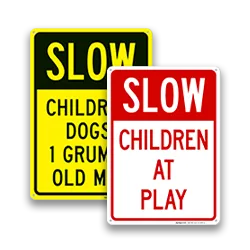
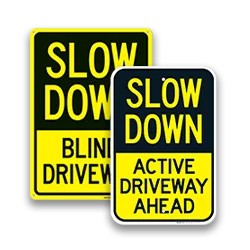
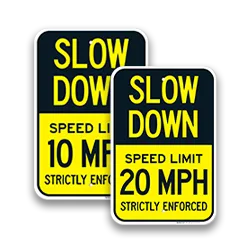

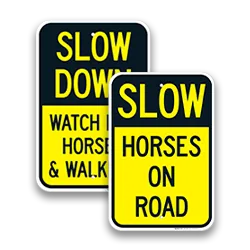
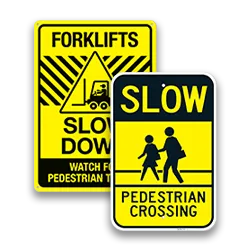
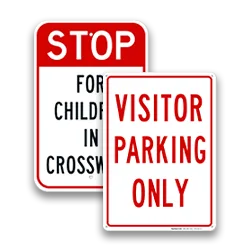
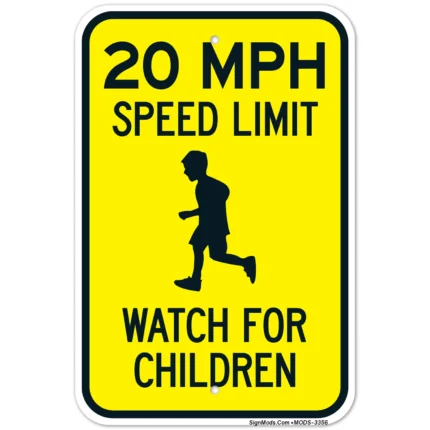

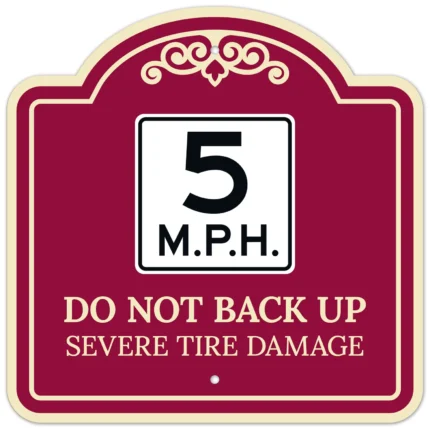
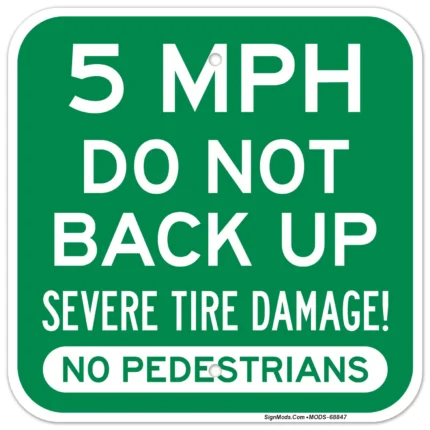

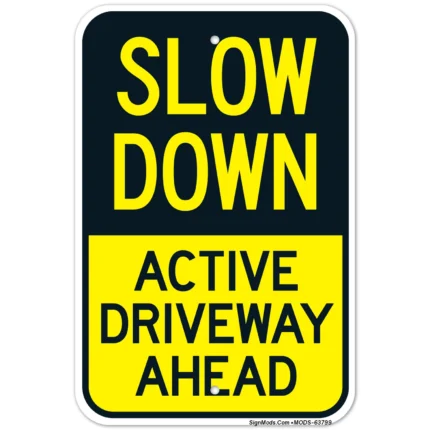
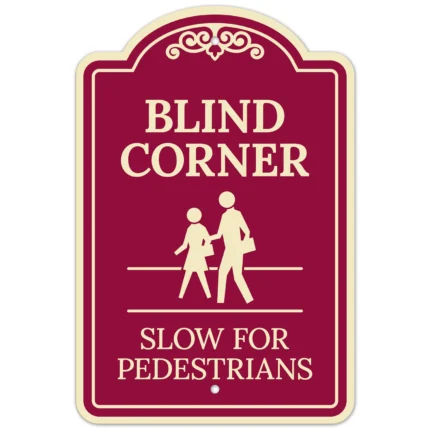
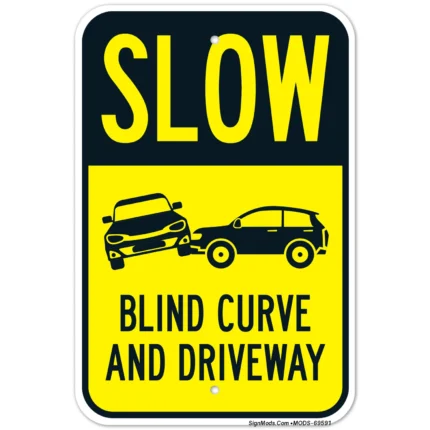
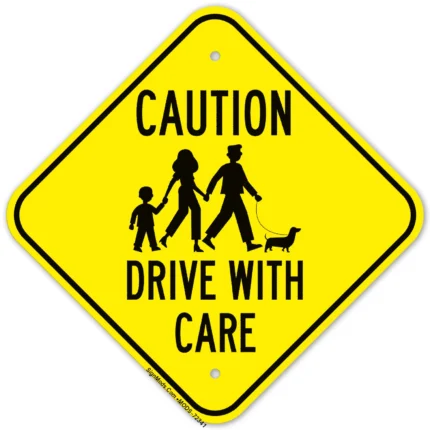
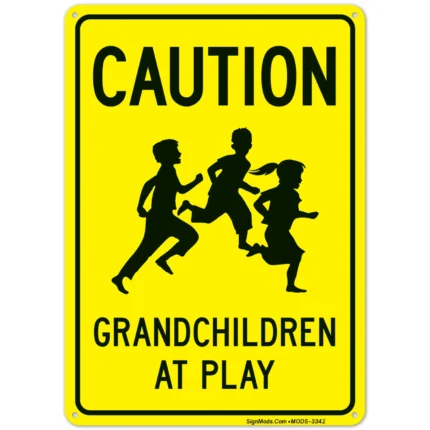

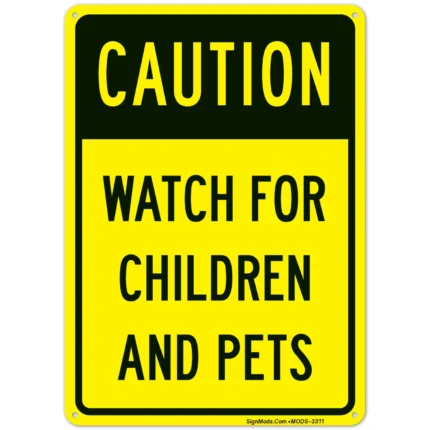


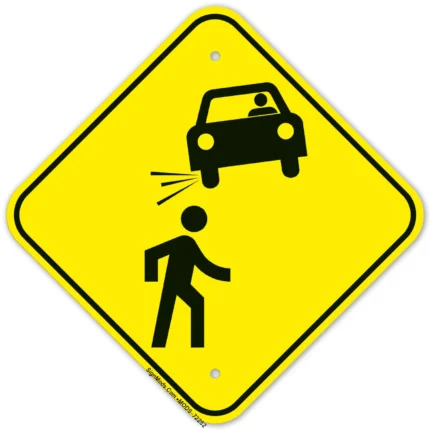
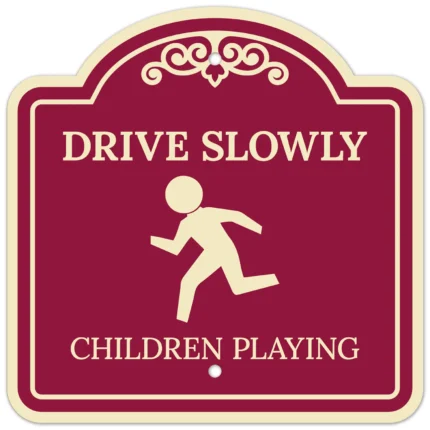
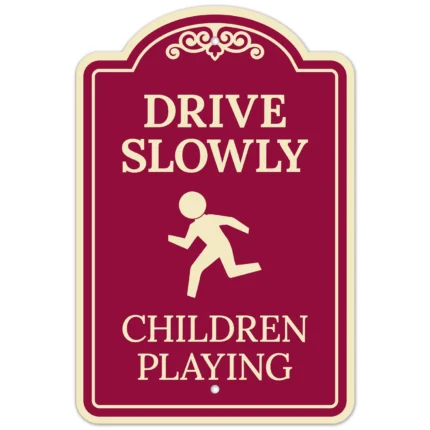
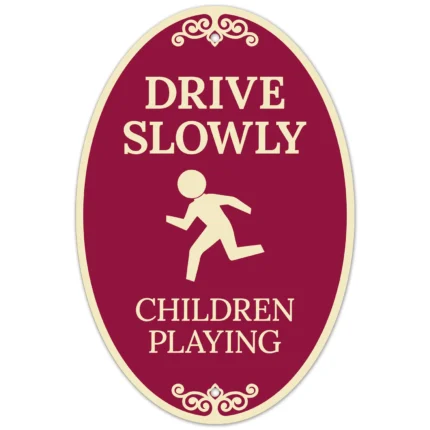
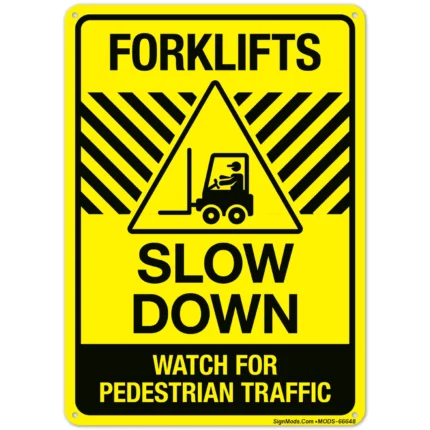
About Our Slow Down Speed Limit Signs
Managing traffic speed within private communities, parking facilities, and industrial yards is critical for preventing accidents and protecting pedestrians. Our durable slow down signs are designed to alert drivers to reduce their speed in areas where hidden hazards, playing children, or heavy foot traffic are present. Whether you are managing a residential HOA or a commercial loading zone, these high-visibility property signs provide a clear visual cue that encourages responsible driving and helps maintain a secure environment on your premises.
- High-contrast colors and bold lettering ensure maximum visibility in various lighting conditions.
- Manufactured from heavy-duty, rust-proof materials to withstand harsh outdoor weather.
- Standardized graphics provide immediate recognition to effectively calm traffic flow.
- Pre-drilled mounting holes allow for quick and secure installation on posts, fences, or walls.
The Critical Role of Slow Down Speed Limit Signs on Private Property
For any property manager, business owner, or HOA board member, ensuring the safety of residents, customers, and employees is a paramount responsibility. While public roads are governed by municipal regulations, the streets, parking lots, and driveways within your private property fall under your control. This is where the strategic implementation of Slow Down Speed Limit Signs transitions from a simple recommendation to an essential component of responsible property management. These signs are your first line of defense in controlling vehicle speed and protecting lives.
Enhancing Pedestrian and Driver Safety
The most immediate and obvious benefit of installing clear speed limit signs is the dramatic improvement in overall safety. On private properties, the mix of vehicular and pedestrian traffic is often dense and unpredictable. Consider a residential community where children play, residents walk their dogs, or people jog. A vehicle traveling even 5-10 MPH over a safe limit can turn a pleasant environment into a high-risk zone. Similarly, in a commercial parking lot, customers are often distracted, carrying merchandise, or managing small children. High-quality Parking Lot Speed Limit Signs effectively communicate the expected standard of caution to drivers, significantly reducing the likelihood of collisions with other vehicles or, more critically, with pedestrians.
By setting a clear, low speed limit—such as 15 MPH on a residential lane or 5 MPH in a dense parking area—you actively engineer a safer environment. These signs remind drivers to be more aware of their surroundings, giving them more reaction time to stop for a person stepping out from between parked cars or a child chasing a ball. The goal is to transform your property from a place where accidents are possible to one where they are actively prevented through clear visual guidance.
Mitigating Legal and Financial Liability
Beyond the moral imperative to protect people, property owners have a legal obligation known as "duty of care." This principle requires you to maintain a reasonably safe environment for anyone on your premises. In the unfortunate event of a traffic accident on your property, the first question asked will be: "What measures were in place to prevent this?"
Expert Legal Insight: Failing to post adequate traffic control signage can be interpreted as negligence. Installing clear, visible, and durable Slow Down Speed Limit Signs is a proactive measure that demonstrates you have fulfilled your duty of care. It serves as powerful evidence that you took reasonable steps to ensure safety, which can be crucial in mitigating liability and defending against potentially costly lawsuits.
Imagine two scenarios. In one, an accident occurs on a property with no speed limit signs. The owner is left vulnerable, with little defense against claims of a hazardous environment. In the second scenario, the same accident occurs on a property clearly marked with reflective Speed Limit Signs. Here, the property owner can argue that the driver was knowingly violating a posted safety rule. This simple investment not only protects lives but also provides a critical layer of financial and legal protection for your business or association, and may even help in discussions with insurance providers about liability premiums.
Establishing Clear Expectations and Order
Effective traffic management is about creating a predictable and orderly environment. Slow Down Speed Limit Signs are fundamental to achieving this. They establish a non-verbal contract with every driver who enters your property, setting a clear expectation for behavior from the moment they arrive. This sense of order reduces driver frustration, minimizes chaotic traffic patterns, and fosters a more respectful driving culture within your community or commercial space.
Whether it's a simple Drive Slowly Sign or a more specific Slow Down Maximum speed posting, these visual cues work 24/7 to reinforce the rules without requiring constant human enforcement. This passive control is incredibly efficient, ensuring that the desired driving behavior becomes the norm. A well-signed property feels safer, more professional, and better managed, enhancing the overall experience for everyone who uses it.
Now that the critical importance of these signs is clear, it's essential to understand what separates a temporary, ineffective sign from a durable, long-term safety asset.
Key Features to Look for in High-Quality Slow Down Signs
Not all signs are created equal. When investing in the safety and liability protection of your property, choosing a sign based on quality and performance—not just price—is paramount. The effectiveness of a speed limit sign is directly tied to its material durability, visibility, and design clarity. Making the right choice ensures your investment lasts for years and performs its critical function day and night, in any weather condition.
Material Durability: The Importance of Aluminum
When considering the best material for outdoor speed limit signs, the answer is unequivocally heavy-duty, rust-proof aluminum. While cheaper plastic signs may seem tempting, they are a poor long-term investment. Plastic becomes brittle in cold temperatures, can warp and fade under intense sun, and is easily damaged by impact or vandalism. This degradation not only looks unprofessional but severely compromises the sign's visibility and authority.
Durable aluminum speed limit signs for private roads and parking lots, on the other hand, offer superior longevity. Key benefits include:
- Weather Resistance: Aluminum does not rust, corrode, or degrade when exposed to rain, snow, or humidity. It maintains its structural integrity and appearance for a decade or more.
- UV Protection: High-quality aluminum signs are often treated with a UV-resistant coating that prevents the colors and text from fading, ensuring the message remains vibrant and legible year after year.
- Rigidity and Strength: Unlike flimsy plastic, aluminum provides a rigid backing that withstands high winds and resists bending or minor impacts, maintaining a professional and authoritative appearance.
Choosing aluminum is choosing a "set it and forget it" solution that protects your property and your investment for the long haul.
Reflectivity: Ensuring 24/7 Visibility and Compliance
A speed limit sign that cannot be seen at night or during poor weather is effectively useless. This is why a sign's reflectivity is not a luxury feature—it is essential for traffic safety. Reflective sheeting is designed to capture and return a vehicle's headlight beams directly back to the driver, making the sign appear brightly illuminated in the dark. For private properties, two main grades are common:
- Engineer Grade (EG) Reflective Sheeting: This is the standard choice for many commercial and residential properties. It offers good visibility from head-on and at slight angles, and typically lasts for 7+ years. It is perfectly suitable for well-lit parking lots or low-speed internal roads.
- High-Intensity Prismatic (HIP) Reflective Sheeting: This is a premium option offering significantly brighter reflectivity from a much wider range of angles. HIP is the recommended choice for critical safety areas, such as property entrances, intersections, pedestrian crosswalks, or any road where drivers may be approaching at higher speeds or from sharp turns. Its superior performance in rain, fog, and at dawn or dusk makes it the ultimate choice for ensuring your message is always seen.
Ultimately, reflective slow down signs are necessary because a significant portion of driving occurs in low-light conditions. Investing in reflectivity ensures your safety rules are enforced around the clock.
Regulatory Compliance and Design Clarity
While private properties are not always legally bound by the same strict MUTCD (Manual on Uniform Traffic Control Devices) regulations as public highways, adhering to these standards is a best practice that maximizes sign effectiveness. The MUTCD outlines proven standards for font, color, shape, and symbol usage that drivers are universally trained to recognize and react to instantly.
Using signs with bold, clear, sans-serif fonts (like the Highway Gothic series), standard color schemes (black text on a white background for speed limits), and a clean, uncluttered layout ensures immediate legibility. A custom, overly stylized sign may look unique, but it can cause confusion and delayed driver reaction. Opting for professionally designed Parking & Traffic signs that follow established design principles ensures your safety message is understood in the split second a driver has to see it.
Selecting a sign with the right features is only half the battle; knowing exactly where and how to install it is what truly unlocks its protective power.
Strategic Placement for Maximum Effectiveness
A high-quality sign placed in the wrong location is a wasted investment. The strategic placement of Slow Down Speed Limit Signs is a science that involves analyzing traffic flow, identifying risks, and understanding driver psychology. Proper placement ensures your signs are not just present, but are actively working to control speed and enhance safety across your entire property.
Identifying High-Risk Zones
The first step is to walk your property and think like both a driver and a pedestrian. Identify areas where the risk of an accident is highest. These are the priority locations for your signage. Key high-risk zones include:
- Entrances and Exits: The very first sign a driver sees should establish the speed limit for the entire property. Placing a sign like a
15 MPHSlow Down Enforced Sign at every entrance sets a clear expectation from the start. - Blind Corners and Sharp Turns: Drivers often fail to reduce speed sufficiently for turns where visibility is limited. A Speed Advisory Sign placed just before the curve is critical.
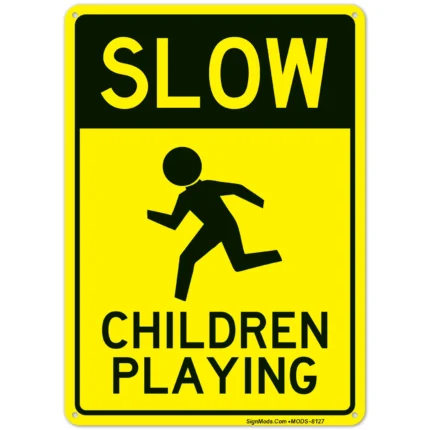
- Pedestrian-Heavy Areas: Any location with significant foot traffic requires aggressive speed control. This includes areas near building entrances, community pools, playgrounds, mailboxes, and designated crosswalks. Signs like Slow Pedestrian Signs or Slow Down Children & Pets Signs are indispensable here.
- Long Straightaways: Open stretches of road, even short ones, can tempt drivers to accelerate. Placing a speed limit sign midway down a straightaway serves as a crucial reminder to maintain a safe speed.
- Parking Aisles and Driveways: In confined spaces where cars are backing out and people are walking, the lowest speed limits are necessary. A Slow Down Driveway Sign or a
5 MPHsign is often appropriate.
Determining the Right Speed Limit
Choosing the appropriate speed limit for a private road or lot requires careful consideration of its specific context. There is no one-size-fits-all answer. As a property manager, you should assess several factors to make an informed decision:
- Road Function and Design: Is it a main thoroughfare for entering the property, or a narrow aisle in a parking garage? Wider, well-lit roads may handle a
20 MPHlimit, while tight, shared spaces demand a5 MPHlimit. - Sight Distance: How far can a driver see ahead? Roads with hills, curves, or frequent obstructions (like landscaping or buildings) require lower speed limits to give drivers adequate time to react to hazards.
- Pedestrian Presence: The more pedestrians, the lower the speed limit should be. In areas designated for shared use, such as a school zone or community center entrance, signs like Slow School Crossing Signs paired with a
10 MPHlimit are essential. - Accident History: If your property has a history of accidents or near-misses in a particular area, it is a clear indicator that the current de facto speed is too high.
A good rule of thumb is to start conservatively. It is always easier to raise a speed limit later than to deal with the consequences of setting one too high initially.
Best Practices for Installation and Visibility
Once you've chosen your signs and locations, proper installation is the final step to guarantee effectiveness. A sign that is hidden, too low, or facing the wrong way will be ignored.
Expert Installation Tip: For maximum visibility, signs should be installed at a height of 5 to 7 feet from the ground to the bottom of the sign. This places them directly in the driver's line of sight and prevents them from being obscured by parked vehicles. Ensure signs are positioned perpendicular to the direction of travel and are free from any obstruction like tree branches or overgrown shrubs.
Consistency is also key. If the speed limit is 15 MPH, use periodic reminder signs throughout the property, especially after intersections or on long stretches. This repetition reinforces the rule and combats driver complacency. Combining different types of signs, such as a main Speed Limit Sign with a secondary warning like a Drive Slowly Sign, can create a powerful, multi-layered safety message.
Seeing how these principles are applied in a real-world scenario can powerfully illustrate their impact on community safety and satisfaction.
Case Study: How an HOA Reduced Speeding Incidents by 45%
Theory and best practices are valuable, but seeing the tangible results of a well-executed traffic safety plan brings their importance to life. The "Willow Creek Estates" HOA, a community of 250 single-family homes, provides a compelling example of how strategic signage can transform a neighborhood's safety culture.
The Challenge: A Growing Sense of Danger
For years, the Willow Creek HOA board received a steady stream of complaints from residents about speeding vehicles on their private roads. The community, designed with winding streets and numerous cul-de-sacs, was popular with young families, and the presence of children playing was constant. The main loop through the neighborhood had a long, straight section that drivers frequently used to accelerate well past a safe speed. This led to several documented near-misses involving children on bicycles and residents walking their pets. The fear of a tragic accident was palpable, and resident satisfaction was declining due to the perceived lack of safety and enforcement.
The Solution: A Comprehensive Signage Strategy with SignMods
Recognizing the urgent need for action and the potential liability, the HOA board partnered with SignMods to develop a comprehensive traffic calming plan. They decided against ineffective, low-quality signs and invested in a complete system of durable, reflective aluminum signs designed for maximum impact and longevity. The plan included:
- Establishing a Clear Limit:
15 MPHSpeed Limit Signs made from High-Intensity Prismatic (HIP) reflective aluminum were installed at all three entrances to the community. The HIP material was chosen to ensure maximum visibility for vehicles entering at night. - Targeting High-Risk Zones: Near the community playground and pool, the board installed prominent Slow Down Children & Pets Signs. These signs served as a powerful emotional reminder of what was at stake.
- Reinforcing the Message: Along the long straightaway that encouraged speeding, two additional
15 MPHspeed limit signs were placed to serve as reminders. At the beginning of this section, a Slow Down Enforced Sign was added to communicate the board's seriousness. - Controlling Intersections: At key intersections with limited sightlines, simple but effective Drive Slowly Signs were installed to encourage caution.
The Measurable Results: A Safer, More Peaceful Community
The impact of the new signage was both immediate and dramatic. Within six months of installation, the HOA board was able to report concrete, measurable outcomes:
- A 45% Reduction in Speeding Complaints: The number of resident-reported speeding incidents, tracked through the HOA's management portal, dropped by nearly half.
- Increased Perceived Safety: A follow-up community survey revealed a 70% increase in residents who "strongly agreed" that the neighborhood was safe for pedestrians and children. This directly translated to higher resident satisfaction and a stronger sense of community well-being.
- Liability Mitigation: The HOA's insurance agent noted the proactive safety measures, adding a positive note to the association's risk management file and strengthening its position against potential future liability claims.
The Willow Creek Estates case study demonstrates that investing in a strategic system of high-quality Slow Down Speed Limit Signs is not an expense—it is a direct investment in the safety, satisfaction, and financial security of a community. By moving from a state of reactive worry to proactive prevention, the HOA created a demonstrably safer environment for every resident.
