
Parking Lot & Garage Signs
Featured Products
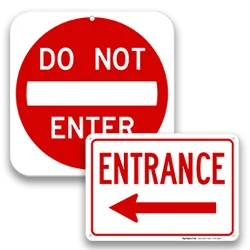
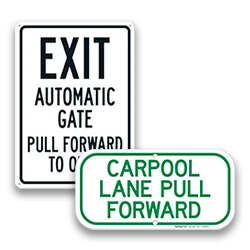

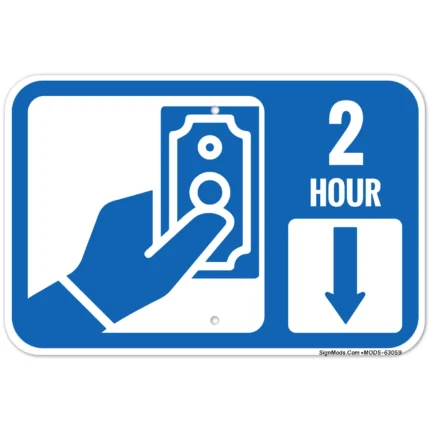

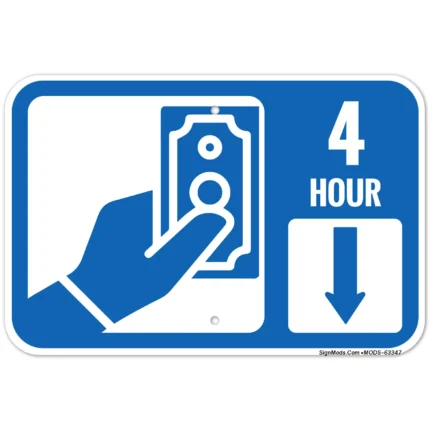
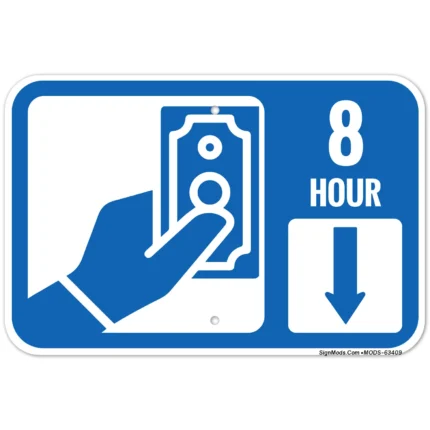


About Our Parking Lot & Garage Signs
Effective parking management relies on clear communication to guide drivers efficiently and protect private property from misuse. These signs are essential for organizing traffic flow, designating specific stalls for employees or customers, and enforcing rules in both open lots and multi-level structures. By installing highly visible property signs and directional signs, facility managers and business owners can significantly reduce unauthorized parking and prevent accidents in high-traffic areas. Whether you are outfitting a commercial shopping center or a private residential building, clear signage is the first step in maintaining order and ensuring accessibility.
- Constructed from durable, weather-resistant materials to withstand rain, sun, and temperature changes.
- Features high-contrast text and reflective options to ensure maximum visibility during the day or night.
- Helps reduce liability by clearly communicating tow-away zones, speed limits, and pedestrian crossings.
- Standardized designs ensure instant recognition for drivers navigating tight garage spaces or busy lots.
Understanding the Core Types of Parking Lot & Garage Signs
A well-organized parking facility begins with a clear and comprehensive signage system. The right combination of signs not only guides drivers and pedestrians safely but also enforces rules and ensures legal compliance. Understanding the fundamental categories of parking signs is the first step in creating a functional, efficient, and secure environment. Each category serves a distinct purpose, and identifying your specific needs within each will help you build a complete solution for your property.
Regulatory & Compliance Signs
These signs are non-negotiable. They enforce laws and local ordinances, protect your property from liability, and ensure accessibility for all users. Failing to post required regulatory signs can lead to significant fines, legal challenges, and unsafe conditions. They form the legal backbone of your parking management strategy.
- ADA Signs: Essential for legal compliance and inclusivity, ADA compliant parking signs designate spaces for individuals with disabilities. These signs must be placed correctly at each accessible spot and often require additional signage indicating van accessibility. Proper ADA signage is a federal requirement under the Americans with Disabilities Act.
- Fire Lane Signs: Clearly marking fire lanes with "No Parking Fire Lane" signs is critical for emergency vehicle access. In the event of a fire or medical emergency, every second counts, and a blocked fire lane can have catastrophic consequences. These signs must be highly visible and are often mandated by local fire codes.
- Tow-Away & Enforcement Signs: To legally remove unauthorized vehicles from your property, you need clear warnings. Private property and tow-away signage establish the rules of your lot, stating who is permitted to park and the consequences for violators. These signs are your primary tool for deterring unwanted parking and maintaining availability for customers, residents, or employees.
Directional & Wayfinding Signs
An intuitive traffic flow is key to a positive user experience and prevents chaos in your parking lot or garage. Directional signs guide drivers efficiently from the entrance to a parking spot and back to the exit, reducing confusion, minimizing congestion, and preventing accidents. The more complex the layout of your property, the more critical these signs become.
- Entrance & Exit Signs: These signs provide the first and last impression of your facility. They should be large, clear, and well-lit to guide drivers safely into and out of the property, preventing wrong turns and conflicts with oncoming traffic.
- Directional Arrow Signs: Simple arrows are powerful tools for guiding traffic through parking lanes, indicating one-way traffic, directing drivers to different levels in a garage, or pointing toward specific areas like "Visitor Parking" or "Deliveries."
- Clearance Bars & Height Warning Signs: Absolutely essential for parking garages and covered areas, clearance bars and warning signs prevent costly damage to both vehicles and your structure. Placed at the entrance, they provide an unmissable physical and visual warning to drivers of oversized vehicles.
Informational & Safety Signs
This category of signs communicates important information that enhances safety and organization. While not always mandated by law, these signs play a crucial role in managing driver and pedestrian behavior, preventing accidents, and improving the overall efficiency of your parking area.
- Speed Limit Signs: Posting a low speed limit (typically 5-10 MPH) is one of the most effective ways to increase pedestrian safety. It encourages cautious driving and reduces the risk of accidents, especially in areas with high foot traffic like retail centers and residential complexes.
- Pedestrian Crossing Signs: Highlighting designated crosswalks alerts drivers to be vigilant for people on foot. These are vital near building entrances, in between parking aisles, and anywhere pedestrian and vehicle paths intersect.
- Reserved & Designated Parking: Use signs to organize your lot and provide premium convenience. This includes everything from reserved parking signs for specific tenants or executives to "Visitor Parking," "Employee of the Month," or "Curbside Pickup" signs that streamline operations.
Now that you've identified the types of signs your facility needs, the next critical decision involves selecting the right materials and finishes to ensure they withstand the elements and remain visible day and night.
Choosing Materials and Finishes for Longevity and Visibility
The effectiveness of a parking sign is determined by its durability and visibility. Investing in high-quality materials from the start saves money on replacements and reduces liability by ensuring your signs remain legible for years. When selecting signs, two key components determine their performance: the substrate material it's printed on and the reflective sheeting applied to its surface. Answering the common question, "What materials last longest outdoors?" starts with the sign's foundation.
Substrate Materials: The Foundation of Your Sign
The substrate is the physical base of the sign. It must be strong enough to resist bending from wind and impacts, and durable enough to withstand constant exposure to sun, rain, and temperature changes. While various materials exist, one has become the undisputed industry standard for professional-grade signage.
Aluminum: For both outdoor and indoor applications, heavy-duty, rust-proof aluminum parking signs are the premier choice. Unlike plastic that can crack and fade or steel that can rust, aluminum offers exceptional longevity without deteriorating. It provides a rigid, professional-looking sign that will not warp or corrode. Look for thicknesses like .063" for standard applications or heavy-duty .080" aluminum for high-wind areas or where compliance with public road standards is needed.
Reflective Sheeting: Ensuring 24/7 Visibility and Safety
A sign is useless if it can't be seen. To answer, "How do I make parking signs visible at night?", the solution lies in reflective sheeting. This material contains microscopic glass beads or prisms that bounce light from vehicle headlights back toward the driver, illuminating the sign in low-light and nighttime conditions. There are several grades of reflectivity, each suited for different environments.
| Reflective Grade | Best Use Case | Visibility Distance | Compliance Notes |
|---|---|---|---|
| Engineer Grade (EG) | Well-lit lots, non-critical informational signs (e.g., "Visitor Parking") | Up to 500 ft. | Sufficient for many private property applications where ambient lighting is good. |
| High Intensity Prismatic (HIP) | Standard for public roads, critical safety signs (Stop, Yield), low-light areas, garages | Up to 1,000 ft. | Often required for MUTCD parking signs. Offers superior brightness and wider viewing angles, making it ideal for most safety-critical applications. |
| Diamond Grade (DG) | High-traffic highways, overhead signs, high-risk intersections | Over 1,500 ft. | Exceeds requirements for most parking facilities but is the ultimate choice for maximum safety and visibility in challenging conditions. |
Choosing the right combination of a durable aluminum substrate and the appropriate reflective sheeting is key to creating a sign system that performs reliably for years. With your materials selected, the next step is to understand the legal framework that governs their use and placement.
Navigating Compliance: MUTCD, ADA, and Local Regulations
Installing parking signs is about more than just organization; it's about adhering to a framework of federal, state, and local laws. Understanding these regulations is essential for property managers and business owners to reduce liability, avoid fines, and ensure their property is safe and accessible for everyone. While it may seem complex, a basic knowledge of the key standards will empower you to make compliant choices.
Understanding the Standards
Several key sets of regulations provide guidelines for parking and traffic signs. While they don't all apply to every private property, following them is considered a best practice that significantly strengthens your legal standing and enhances safety.
- MUTCD: The Manual on Uniform Traffic Control Devices, or
MUTCD, is the federal standard for all signs on roads open to public travel. While many private parking lots aren't legally required to follow MUTCD standards, doing so is highly recommended. Using MUTCD-compliant shapes, colors, and fonts ensures that your signs are instantly recognizable to drivers, reducing confusion and the risk of accidents. For signs like "Stop," "Yield," or "Speed Limit," adhering to MUTCD is a crucial step in limiting liability. - ADA: The Americans with Disabilities Act, or
ADA, is not a recommendation—it's the law. The ADA provides specific, legally binding requirements for accessible parking spaces. This includes the design of the sign itself (featuring the International Symbol of Access), its height, and its placement. Failure to comply with ADA regulations can result in steep federal fines and lawsuits.
Expert Recommendation: Always verify sign requirements with your local municipal planning or building code office before purchasing and installing. Local ordinances can introduce specific rules that go beyond federal standards, such as minimum sign sizes, specific wording required for tow-away enforcement, or permits needed for installation.
Compliance is the foundation of a responsible signage strategy. Once you are familiar with the rules you must follow, you can move on to the practical challenge of designing a layout that puts these signs in the most effective locations across your property.
Strategic Sign Placement: A Practical Guide for Your Property
Knowing what signs you need and what laws to follow is only half the battle. Effective sign placement is an art and a science, crucial for transforming a confusing lot into a well-oiled machine. The goal is to provide the right information to the right person at the right time. This means thinking about sightlines, decision points, and the specific challenges of your property's layout.
General Placement Best Practices
Before diving into specific layouts, some universal rules apply to nearly every situation. These fundamentals ensure your signs are seen and understood.
- Height & Visibility: To answer the common question, "How high should parking signs be installed?", the general rule is to mount signs so the bottom edge is at least 7 feet above the ground in pedestrian areas. This prevents people from walking into them. However, for signs marking ADA compliant parking signs spaces, the sign must be mounted higher than 60 inches from the ground to the bottom of the sign to be visible over a parked vehicle.
- Clear Sightlines: A sign is useless if it's hidden. Before installation, walk the path a driver or pedestrian would take. Ensure that signs are not obscured by columns, overgrown landscaping, other vehicles, or buildings. Critical signs like "Stop" or "Wrong Way" must have a clear, unobstructed approach.
Layout Templates for Common Property Types
Every property has unique needs. Here are some actionable layout strategies for common commercial and residential environments, providing a mini-consultation to guide your planning.
For Small Retail Centers & Storefronts:
For a strip mall or standalone store, the focus is on customer convenience and maximizing turnover. A confusing layout can deter customers. A small retail center in a busy suburb improved customer satisfaction by implementing a simple, clear system. Key signs include a large "Entrance" sign, clearly marked ADA-compliant parking spaces right near the main doors, and several "Customer Parking Only" signs to deter employees or neighboring traffic. They also added a "15-Minute Parking" sign near the front for a new curbside pickup program, which reduced congestion and improved pickup efficiency by 40%.
For Multi-Level Parking Garages:
Safety and navigation are paramount in the enclosed, often dimly lit environment of a parking garage. A downtown office building’s multi-level garage was a source of frequent complaints and fender benders. By installing a comprehensive set of garage signs, they transformed the user experience. The project included a "Max Clearance" bar at the entrance, bold "Speed Limit 5 MPH" signs on every ramp, large directional signs with arrows for each level and the exit, and "Pedestrian Crossing" signs near elevator banks. Using High Intensity Prismatic (HIP) reflective sheeting was critical for ensuring all signs were brightly visible in the garage's lighting, leading to a 60% reduction in reported vehicle incidents.
For Apartment Complexes & Residential Communities:
In a residential setting, signage is about creating order, ensuring resident safety, and fairly enforcing community rules. An HOA board was struggling with non-residents using their limited guest parking and residents speeding. Their solution was a security-focused signage overhaul. They installed reserved parking signs with apartment numbers for every assigned spot, clear directional signs pointing to a designated "Visitor Parking" area, and "Private Property - Towing Enforced" signs at each entrance. Low-profile "Speed Limit 10 MPH" and "Children at Play" signs were added throughout the community, drastically reducing speeding complaints and ensuring parking was available for legitimate guests.
With a strategic layout planned, the final step is to acquire the signs you need in the most efficient way possible, ensuring you haven't missed any critical components.
Simplify Your Project: Pre-Configured Parking Sign Bundles
Planning and purchasing a complete sign system for your property can feel overwhelming. To save you time, eliminate guesswork, and ensure you have all your bases covered, we have developed pre-configured sign packages tailored to the most common property needs. These bundles include the most essential Parking Lot & Garage Signs to get your project started right, ensuring compliance and functionality from day one.
Retail Lot Starter Bundle
This package is designed for small businesses, cafes, and retail storefronts that need to establish clear, compliant, and customer-friendly parking. The bundle focuses on the essentials to ensure accessibility and protect designated customer spaces. It typically includes two ADA-compliant accessible parking signs, a "Van Accessible" plaque, several "Customer Parking Only" signs, and a "No Parking Fire Lane" sign to ensure you meet basic safety and legal requirements with one simple purchase.
Residential Complex Security Bundle
Perfectly suited for HOAs, apartment complexes, and condominiums, this bundle is focused on organization and enforcement. It helps property managers maintain order and enforce community rules fairly and effectively. This package often contains a mix of reserved parking signs for resident spaces, directional signs for "Visitor Parking," and multiple "Private Property / Towing Enforced" warning signs to post at entrances. This combination provides the tools needed to manage residential parking and deter unauthorized vehicles.
Custom Sign Solutions
We understand that every property is unique. If our pre-configured bundles don't perfectly match your specific needs, or if you require signs with your company logo, specific wording, or unique branding, our custom solutions are the answer. We can create high-quality signs tailored precisely to your requirements, from branded "Future Resident" parking signs for apartment leasing offices to unique directional signs for complex industrial sites. Explore our custom parking signs collection to bring your vision to life and create a truly personalized and professional signage system.
