
Parking Lot Area Signs



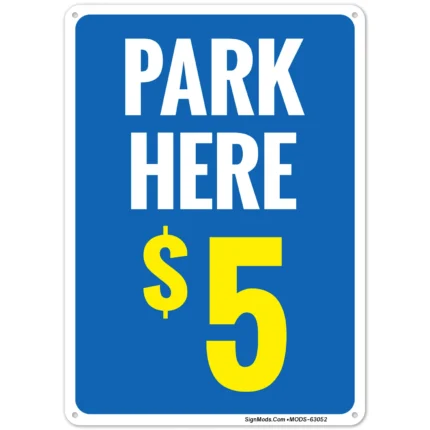
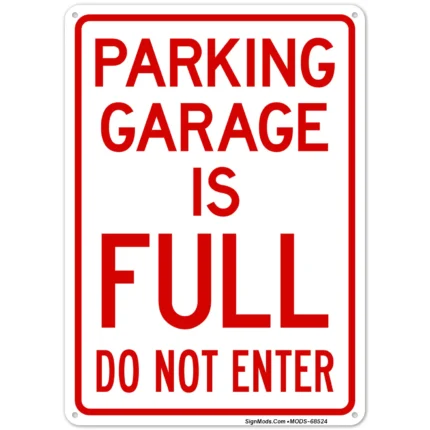
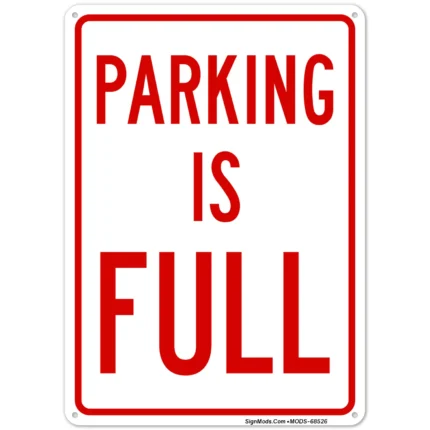
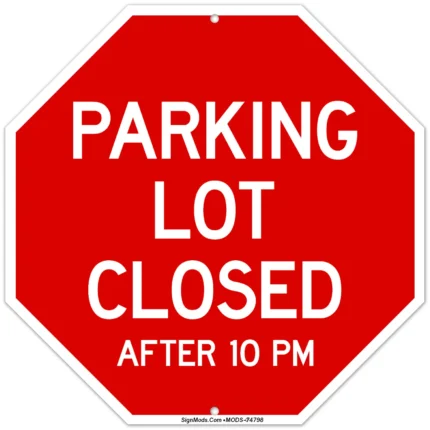
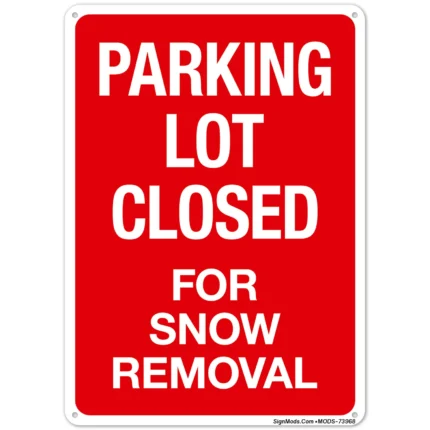
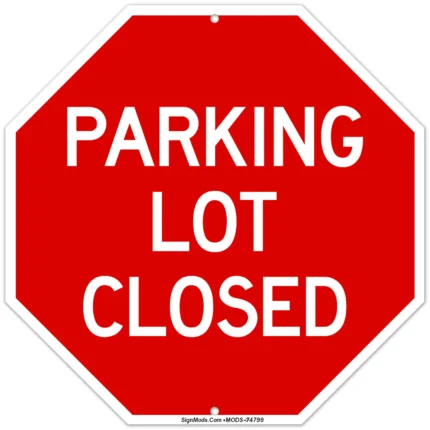
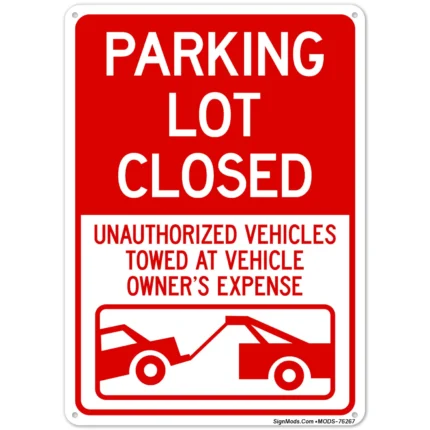
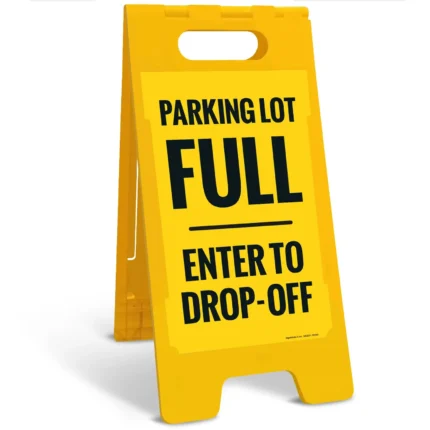
About Our Parking Lot Area Signs
Managing traffic flow and ensuring pedestrian safety is critical for any commercial property, apartment complex, or municipal facility. High-visibility signage helps organize vehicles, designate specific stalls for customers or employees, and reduce liability by clearly marking rules and hazards. Whether you need to enforce time limits, mark handicap-accessible spots, or identify tow-away zones, durable property signs and clear directional signs are essential for preventing unauthorized parking. These visual solutions effectively guide visitors to their destinations while maintaining an orderly and professional exterior environment.
- Constructed from heavy-duty, weather-resistant materials to withstand rain, UV rays, and rust.
- Features bold lettering and reflective finishes to ensure maximum visibility during the day or night.
- Clearly communicates regulations and warnings to minimize confusion and reduce parking disputes.
- Versatile mounting designs allow for simple installation on standard posts, walls, or fences.
The Foundation of Safety: Choosing the Right Materials for Durable Parking Lot Area Signs
The effectiveness and longevity of your Parking Lot Area Signs are directly tied to the materials from which they are made. A sign that fades, rusts, or breaks after a single season is not just a wasted investment; it's a potential liability. Selecting the right materials from the start ensures your signs remain visible, legible, and compliant for years, providing a reliable foundation for traffic safety and property management. It’s a critical first step in developing a robust signage strategy that protects both drivers and your assets.
Aluminum vs. Steel vs. Plastic: A Durability Comparison
When procuring commercial parking lot signs, you'll encounter three primary materials: aluminum, steel, and plastic. While each has its place, heavy-duty, rust-proof aluminum has become the undisputed industry standard for outdoor signage due to its superior balance of durability, weight, and cost-effectiveness. Understanding the differences is key to making an informed purchasing decision.
| Material | Rust Resistance | Weight | Impact Resistance | Cost | Best Use Case |
|---|---|---|---|---|---|
| Aluminum | Excellent (Does not rust) | Lightweight | Good (Bends on severe impact) | Moderate | Permanent outdoor signs (Stop, Speed Limit, ADA) |
| Steel | Poor (Requires heavy coating) | Heavy | Excellent | High | High-impact zones, though often overkill |
| Plastic (HDPE) | Excellent | Very Lightweight | Fair (Can crack in cold/UV) | Low | Temporary or low-importance signs (e.g., event parking) |
For any sign intended to be a permanent fixture, such as regulatory or accessibility signs, aluminum is the superior choice. At SignMods, we utilize thick, .080" gauge rust-proof aluminum for our durable parking signs, ensuring they withstand harsh weather without degrading. This commitment to quality means your investment lasts longer and maintains its professional appearance.
The Role of Reflective Sheeting in 24/7 Visibility
A parking lot operates around the clock, and your signs must too. Reflective sheeting is not a luxury; it's a core safety feature that ensures your signs are clearly visible to drivers in low-light conditions, at night, and during inclement weather. The Manual on Uniform Traffic Control Devices (MUTCD) mandates retroreflectivity for most regulatory signs. There are several grades of sheeting, each offering different levels of brightness and performance:
- Engineer Grade (EG): The baseline standard, suitable for well-lit, low-speed areas. It uses glass bead technology and offers good visibility from a direct angle.
- High-Intensity Prismatic (HIP): A significant step up in performance, HIP sheeting uses micro-prisms to return more light to the driver from wider angles. It is the recommended minimum for critical signs like Stop and Yield signs in commercial lots.
- Diamond Grade (DG3): The highest level of reflectivity, providing exceptional brightness and the widest viewing angle. It's specified for high-risk areas, highways, and anywhere maximum visibility is non-negotiable.
Choosing HIP or higher grade reflective aluminum signs significantly reduces the risk of accidents by giving drivers more time to react, directly lowering your property's liability risk.
Protective Overlays: Shielding Your Investment from Graffiti and UV Damage
Your signage investment faces two constant threats: vandalism and the sun. A high-quality protective overlay acts as a shield against both. A UV-resistant laminate prevents the vibrant colors and critical text on your signs from fading and cracking under constant sun exposure, extending their legible lifespan by years. Furthermore, an anti-graffiti coating creates a non-porous surface that allows spray paint, markers, and stickers to be wiped away easily without damaging the sign face. This feature is invaluable for maintaining a clean, professional appearance across your property and avoiding the recurring costs of sign replacement due to vandalism.
Investing in signs with these protective layers is a proactive measure that ensures your parking lot always looks well-managed and your safety messaging remains clear. Now that we've established the importance of durable materials, let's determine which specific signs are essential for a safe and efficient parking environment.
A Strategic Sign Inventory: What Your Parking Lot Actually Needs
Deploying effective Parking Lot Area Signs is not about randomly placing signs; it's about creating a cohesive system that guides, informs, and protects. A strategic inventory plan ensures every sign serves a distinct purpose, from directing traffic flow to enforcing parking policies. By approaching signage as a complete system, property managers can enhance safety, improve user experience, and streamline operations. The first step is to categorize your needs into three key areas: regulatory, directional, and policy-specific signs.
Regulatory and Navigational Signs: The Non-Negotiables
These signs form the backbone of parking lot safety and are often mandated by law. They control the movement of vehicles and are critical for preventing accidents. Every commercial parking lot open to the public should, at a minimum, conduct an audit to ensure these signs are present and compliant.
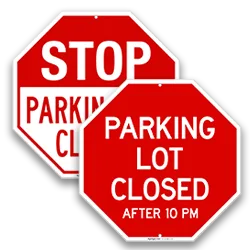
- Parking Lot Stop Signs: Must be placed at intersections and exits where drivers need to yield the right-of-way. Using
MUTCD-compliant octagonal signs with reflective sheeting is mandatory. - Parking Lot Speed Limit Signs: Essential for controlling vehicle speed and reducing the risk of collisions with other cars or pedestrians. A 5 or 10 MPH limit is common for most lots.
- Federal ADA Handicap Parking Signs: Required by federal law to designate accessible parking spaces. These signs have very specific design and placement requirements.
- Pedestrian Crossing Signs: Critical for marking crosswalks and alerting drivers to areas with high foot traffic, especially near building entrances.
Directional and Informational Signs: Enhancing User Experience
Once basic safety is established, the next layer of signage focuses on creating a seamless and intuitive experience for visitors. Clear directional signs prevent confusion, reduce congestion, and guide drivers efficiently from the street to a parking space and back. A well-guided driver is a safer, happier customer.
- Parking Lot Entrance Signs and Parking Lot Exit Signs: Clearly mark ingress and egress points to prevent drivers from entering through the wrong driveway.
- Parking Lot One Way Signs: Essential for establishing a logical traffic flow in parking aisles, preventing head-on conflicts.
- Clearance Bars & Signs: Crucial for parking garages or covered areas to warn oversized vehicles and prevent costly structural damage.
- Visitor/Customer Parking: Signs that guide visitors to designated areas, separating them from employee or resident parking.
Specific Use and Policy Signs: Managing Parking Spaces Effectively
This category allows you to enforce your property's specific rules and maximize the efficiency of your parking assets. These signs communicate policies, reserve spaces, and deter unauthorized parking, giving you complete control over your lot. A comprehensive set of policy signs from our Parking Lot Space Signs collection is key to effective management.
- No Parking & Tow Away Signs: Clearly state the consequences of parking in restricted zones, such as fire lanes or loading docks. These are your primary enforcement tool.
- Assigned Parking Signs: Reserve spaces for specific tenants, employees, or management, preventing disputes in residential or corporate settings.
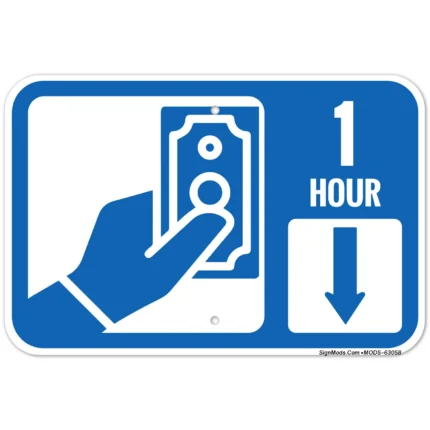
- Limited Time & Hours Parking Signs: Perfect for retail environments to encourage customer turnover by specifying 15-minute or 1-hour parking limits.
- Electric Vehicle (EV) Charging Station Signs: Increasingly important for designating spaces reserved for vehicles that are actively charging.
Building this three-tiered inventory ensures all your bases are covered. However, simply having the right signs isn't enough; they must also meet strict federal and local compliance standards.
Navigating the Maze of Compliance: MUTCD and ADA Standards Explained
For property managers, compliance is not optional. Failure to adhere to federal standards like the MUTCD and the Americans with Disabilities Act (ADA) can result in significant fines, legal liability in the event of an accident, and a failure to provide a safe environment for the public. Understanding these regulations is a cornerstone of responsible property management and a key part of your deployment playbook for commercial parking lot signs.
Understanding MUTCD: The Federal Mandate for Traffic Control
The Manual on Uniform Traffic Control Devices (MUTCD) is the national standard for all traffic control devices, including signs, signals, and pavement markings. While often associated with public roads, its guidelines apply to private roads and parking lots that are "open to public travel." If your business invites the public onto its property to park, you are expected to follow MUTCD standards for the safety of your visitors. Key principles include:
- Shape and Color Codes: The
MUTCDspecifies exact shapes and colors for signs to convey meaning instantly. Stop signs must be octagonal and red; regulatory signs are rectangular and black/white; warning signs are diamond-shaped and yellow. - Size and Legibility: Signs must be large enough to be read from a safe distance. The size of the lettering and the sign itself are specified based on the speed of approaching traffic.
- Retroreflectivity: As discussed earlier, signs that convey regulations, warnings, or guidance must be reflective to be visible at night. The
MUTCDsets minimum reflectivity levels.
Purchasing MUTCD compliant parking signs from a reputable supplier like SignMods removes the guesswork and ensures your regulatory signs meet these federal mandates.
ADA Compliance: Ensuring Accessibility for All
The Americans with Disabilities Act (ADA) contains detailed regulations for accessible parking to ensure people with disabilities have safe and convenient access to facilities. Non-compliance can lead to serious legal action. When it comes to Federal ADA Handicap Parking Signs, the requirements are precise:
- The International Symbol of Access: All designated accessible spots must be marked with a sign featuring the blue-and-white wheelchair symbol.
- Van Accessible Spaces: A certain percentage of accessible spaces must be wider and designated "Van Accessible" on the sign.
- Placement and Height: The sign must be mounted so the bottom edge is at least 60 inches above the ground surface. This ensures it is visible to drivers and not obscured by a parked vehicle.
Expert Recommendation: Always consult both federal ADA guidelines and your state or local accessibility codes. Some jurisdictions have additional requirements, such as specific fine amounts printed on the sign or unique color schemes. Ensuring compliance at all levels is the only way to fully mitigate risk.
Creating a Compliance Checklist for Your Property
To systematically audit your property, walk the lot and ask these critical questions. This checklist will help you identify compliance gaps and plan your procurement needs:
- Are all Stop signs octagonal, red, and reflective?
- Are accessible parking signs mounted at the correct height (bottom at 60") and include the correct symbols?
- Are fire lanes clearly marked with "No Parking Fire Lane" signs?
- Do your directional signs use clear, easy-to-read fonts and universal symbols where possible?
- Are any signs faded, damaged, or covered in graffiti to the point of being illegible?
- Are speed limit signs posted at each entrance to the property?
Answering these questions will provide a clear action plan. Once you know what signs you need and the compliance standards they must meet, the next step is to plan for their physical placement and installation.
Strategic Placement and Installation: A Guide to Maximizing Sign Effectiveness
Even the most durable and compliant Parking Lot Area Signs are useless if they are not seen. Strategic placement and proper installation are what transform a sign from a piece of aluminum into an effective communication tool. This final implementation phase is where your planning comes to life, directly influencing driver behavior, enhancing safety, and ensuring the longevity of your investment. Following established best practices for placement and mounting is essential for maximizing the return on your signage investment.
Parking Lot Sign Placement Guidelines for Optimal Visibility
The goal of sign placement is to give drivers enough time to see, comprehend, and react to the information presented. Signs should be placed at "decision points"—locations where a driver must make a choice, such as turning, stopping, or choosing a parking aisle. Consider the following guidelines:
- Approach Sightlines: Place signs well in advance of the hazard or decision point. A stop sign should not be hidden behind a tree or placed directly at the stop line; it should be visible as the driver approaches the intersection.
- Unobstructed Views: Ensure signs are not blocked by foliage, parked vehicles, buildings, or other signs. Periodically trim trees and bushes that may grow to obscure them.
- Logical Grouping: When multiple signs are needed in one location (e.g., "Stop" and "One Way"), they should be mounted on the same post in a logical order (most critical sign on top) to avoid visual clutter.
- Right-Side Rule: Whenever possible, signs should be placed on the right-hand side of the roadway or parking aisle, as this is where drivers are conditioned to look for traffic control information.
Installation Best Practices: Height, Mounting, and Hardware
Proper installation ensures your signs remain secure, visible, and damage-resistant. A poorly installed sign can become a hazard itself if it falls or twists out of view.
- Mounting Height: For pedestrian safety, the bottom edge of a sign in a parking area should be at least 7 feet (84 inches) above the ground. This prevents people from walking into it. The major exception is ADA parking signs, which must be mounted with the bottom edge at 60 inches to remain visible over a parked vehicle but still be readable.
- Posts and Hardware: Use sturdy, corrosion-resistant posts like galvanized steel U-channel or square posts. Use tamper-resistant bolts and hardware, especially in areas prone to vandalism, to secure your durable parking signs. Two posts are recommended for wider signs to prevent them from bending in high winds.
- Orientation: Signs should be installed at a slight angle (a few degrees away from perpendicular) to the approaching line of traffic. This helps reduce specular glare from headlights at night, improving legibility of the reflective sheeting.
Case Study: Retail Complex Overhauls Parking Flow
A 250-space retail complex was struggling with customer complaints about a confusing parking layout, frequent gridlock near the main entrance, and two vehicle collisions in six months. Their existing signage was a mix of faded, non-compliant signs installed at inconsistent heights. After a consultation, they implemented a comprehensive signage plan from SignMods.
The solution involved installing new, highly reflective Parking Lot One Way Signs in every aisle, clear directional signs for "Additional Parking" to distribute traffic, and prominent Parking Lot Stop Signs at key intersections. The result was a 30% reduction in peak-hour congestion reported by management and a 90% drop in negative online reviews related to parking. The clear, logical flow created by the new system eliminated driver confusion and made the property significantly safer, demonstrating a direct business impact from a strategic signage investment.
With a clear understanding of materials, inventory, compliance, and installation, you are now ready to execute the final step: procuring your signs from a trusted partner.
The Procurement Playbook: Sourcing and Purchasing Your Signs
The final stage in deploying your new signage system is the procurement process. This is more than just a transaction; it's a strategic decision that impacts your budget, project timeline, and the long-term quality of your parking lot environment. By adopting a smart purchasing strategy and partnering with the right supplier, you can ensure you receive high-quality, compliant Parking Lot Area Signs that deliver lasting value. A well-executed procurement plan ties all the previous steps together, turning your blueprint into a physical reality.
Why Bundled Purchasing Is the Smartest Strategy
Once you have completed your inventory audit and compliance checklist, the most efficient and cost-effective approach is to purchase all your required signs in a single, bundled order. This strategy offers several distinct advantages over piecemeal purchasing:
- Cost Savings: Suppliers often provide volume discounts on larger orders. Additionally, consolidating your purchase into a single shipment dramatically reduces shipping costs compared to multiple small orders.
- Guaranteed Consistency: When you buy all your signs from one source at the same time, you ensure perfect consistency in material quality, color fidelity, reflectivity grade, and print clarity across your entire property. This creates a cohesive and professional aesthetic.
- Simplified Logistics: Managing one purchase order, one shipment, and one payment is far more efficient for your administrative team than juggling multiple vendors and delivery schedules. It streamlines the entire process from order to installation.
Planning ahead and opting for a bundled purchase of your Parking & Traffic signs is a hallmark of a strategic and organized property manager.
Evaluating a Sign Supplier: What to Look for Beyond Price
While budget is always a consideration, the lowest price often leads to the highest long-term cost in the form of premature replacement, non-compliance fines, or liability claims. A reputable supplier is a partner in your property's safety and success. When evaluating potential vendors, look for these key indicators of quality:
- Compliance Guarantee: Does the supplier explicitly state that their regulatory signs meet
MUTCDand ADA standards? This is non-negotiable. - Material Specifications: Look for specifics. A quality supplier will detail the material (e.g., .080" rust-proof aluminum), the type of reflective sheeting (e.g., 3M High-Intensity Prismatic), and the use of protective laminates.
- Manufacturing Quality: Inquire about their printing technology. Digitally printed signs with UV-cured inks and protective overlays last longer than simple screen-printed signs.
- Expertise and Support: Can they answer your questions about compliance and installation? A good supplier provides more than just a product; they provide guidance and support to ensure you purchase the right items for your needs.
The SignMods Advantage: Durability, Compliance, and Expert Support
At SignMods.com, we have built our business on being the expert partner property managers need. We understand that you are not just buying signs; you are investing in safety, compliance, and the operational efficiency of your property. We simplify the procurement process by delivering a superior product backed by industry expertise. Every one of our Parking Lot Area Signs is crafted from heavy-duty, .080" aluminum with 3M reflective sheeting and a protective laminate for maximum durability and UV resistance. Our commitment to MUTCD and ADA standards means you can purchase with confidence, knowing your signs are fully compliant. Whether you need a complete overhaul of your Property & Facility signage or just a few replacement signs, our team is here to ensure you get the right products for the job, delivered quickly and efficiently.
